The Vacation Problem That Starts After You Lock the Door
There is always that little moment after leaving home.
You are already on the road, bags packed, everything done, and then the thought appears:
“Did I really turn everything off?”
Or worse:
“Does my house look completely empty right now?”
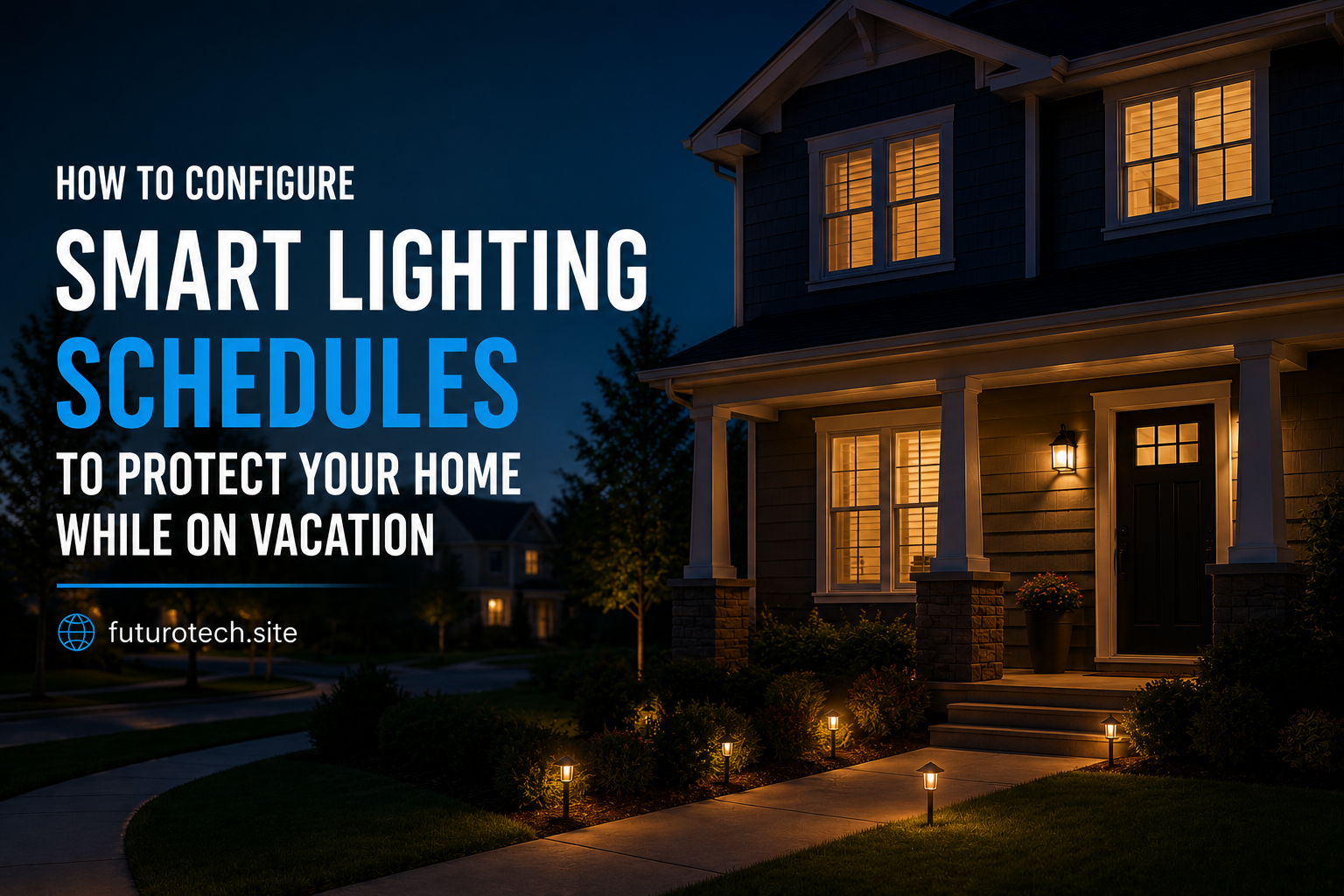
Smart lighting schedules are one simple way to make your home feel more active while you are away.
They do not replace proper security systems, alarms, or good habits, but they can help create the appearance of normal activity instead of a dark house sitting untouched for days.
The best part is that you can set everything up before your trip and let the system handle the routine while you relax.
Why Smart Lighting Works Well for Vacation Automation
A house that always looks exactly the same for several nights can stand out.
Lights are one of the easiest things to automate because they naturally change throughout the day.
A realistic lighting schedule can make it look like someone is moving around normally.
For example:
- Living room lights turning on in the evening.
- Bedroom lights activating at normal bedtime hours.
- Outdoor lights switching on after sunset.
- Some rooms staying dark when they normally would.
The goal is not making every light flash on and off randomly.
That actually looks less natural.
Start by Studying Your Normal Lighting Habits
Before creating vacation schedules, pay attention to what you already do.
Ask yourself:
- Which rooms usually have lights on at night?
- What time does someone normally arrive home?
- Which lights are rarely used?
A schedule that matches your real habits feels much more natural.
If your bedroom light suddenly turns on at 3 AM every night, that does not exactly create a lived-in feeling.
Choose Which Lights Should Be Automated
You do not need every bulb in the house connected.
Focus on the lights that create the biggest difference.
Common choices:
- Living room lights.
- Entryway lights.
- Kitchen lights.
- Bedroom lamps.
- Outdoor lighting.
The best automation is usually the one that looks normal, not the one that uses the most devices.
Create an Evening Lighting Schedule
Most vacation lighting schedules focus on the evening because that is when an empty home is easiest to notice.
A simple example:
- 5:30 PM — Living room lights turn on.
- 8:00 PM — Kitchen lights turn off.
- 10:30 PM — Bedroom lamp turns off.
The exact times depend on your routine.
The idea is creating a pattern that feels believable.
Use Different Schedules Instead of the Same Pattern Every Day
One thing people forget is that real homes are not perfectly predictable.
Nobody turns on the exact same lights at exactly the same minute every day.
Consider changing schedules slightly:
- Different start times.
- Different rooms on different nights.
- Occasional longer lighting periods.
A little variation feels more realistic.
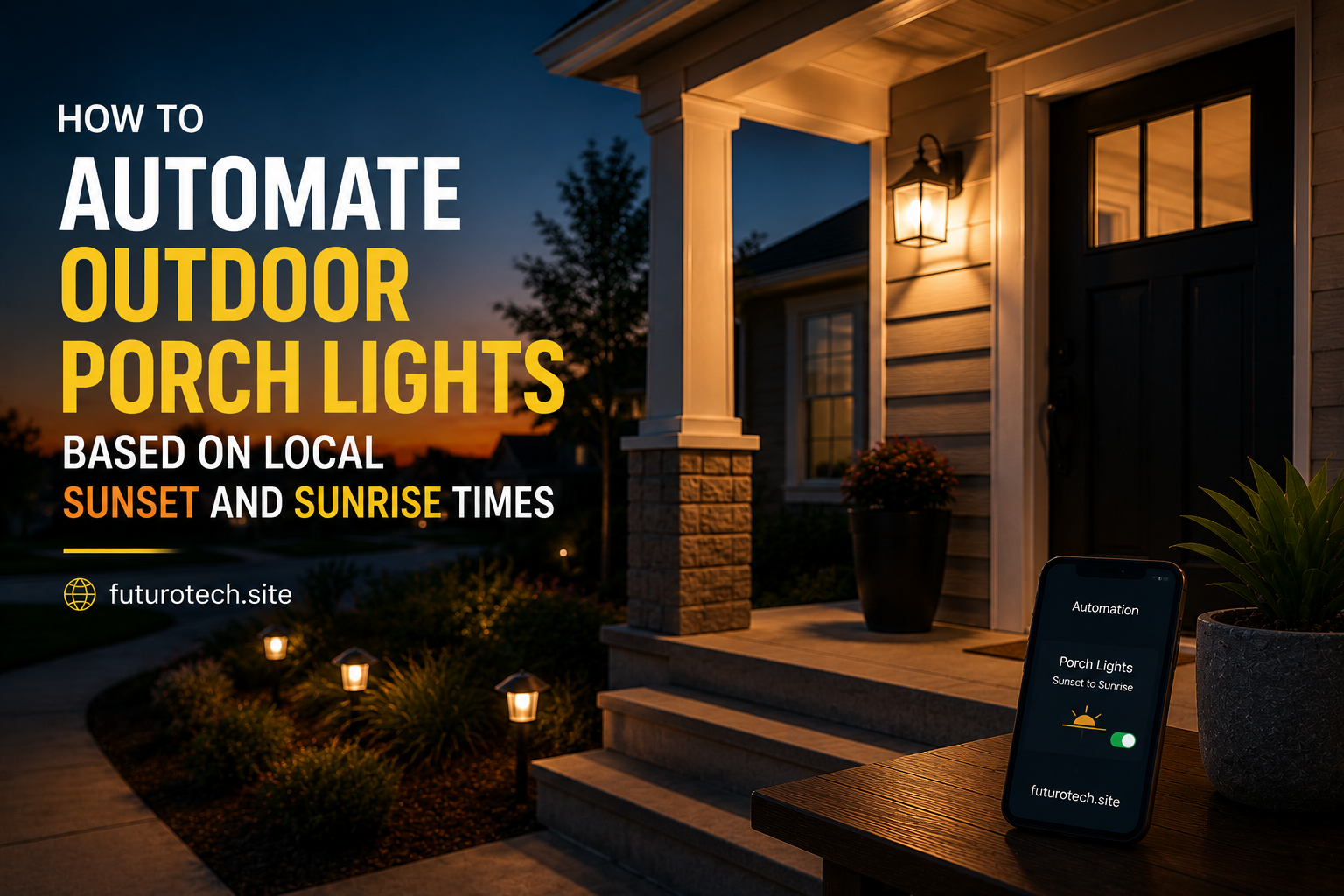
Add Outdoor Lighting Automation
Outdoor lights are often the first thing people notice.
If you have smart outdoor lighting, you can schedule:
- Porch lights.
- Pathway lights.
- Garden lights.
Sunset-based scheduling is especially useful because daylight changes throughout the year.
Instead of manually changing times, the lights can follow natural conditions.
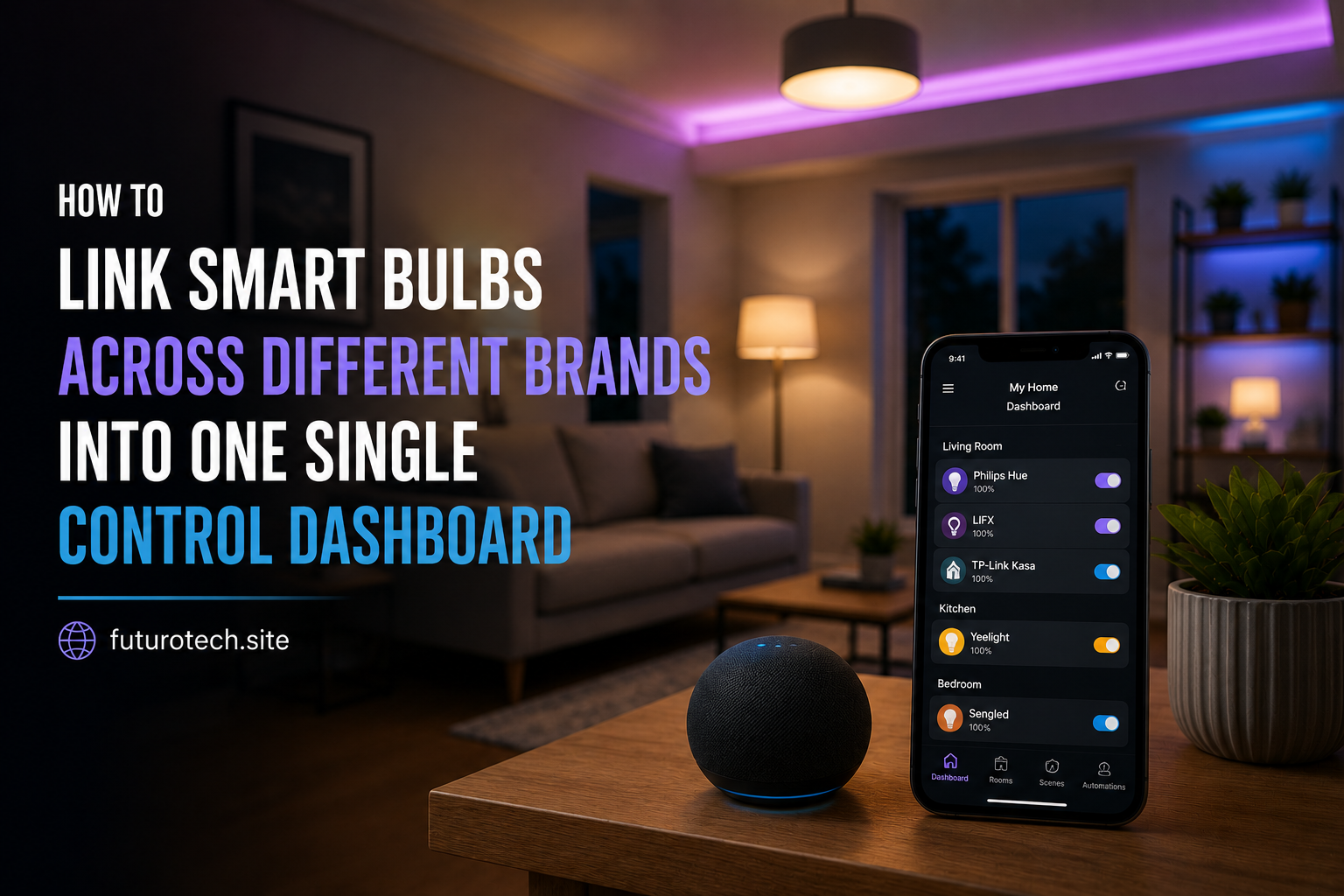
Create a Vacation Routine Instead of Managing Each Bulb
This is where smart home systems become much easier to use.
Instead of creating separate schedules everywhere, make a vacation routine.
A vacation routine can include:
- Turning selected lights on.
- Adjusting brightness levels.
- Activating outdoor lighting.
- Controlling other connected devices.
One routine is easier to review before leaving.
Test Everything Before You Travel
Do not wait until you are sitting at the airport to discover something failed.
Test the schedule a few days before leaving.
Check:
- Lights turn on correctly.
- Schedules run at the right times.
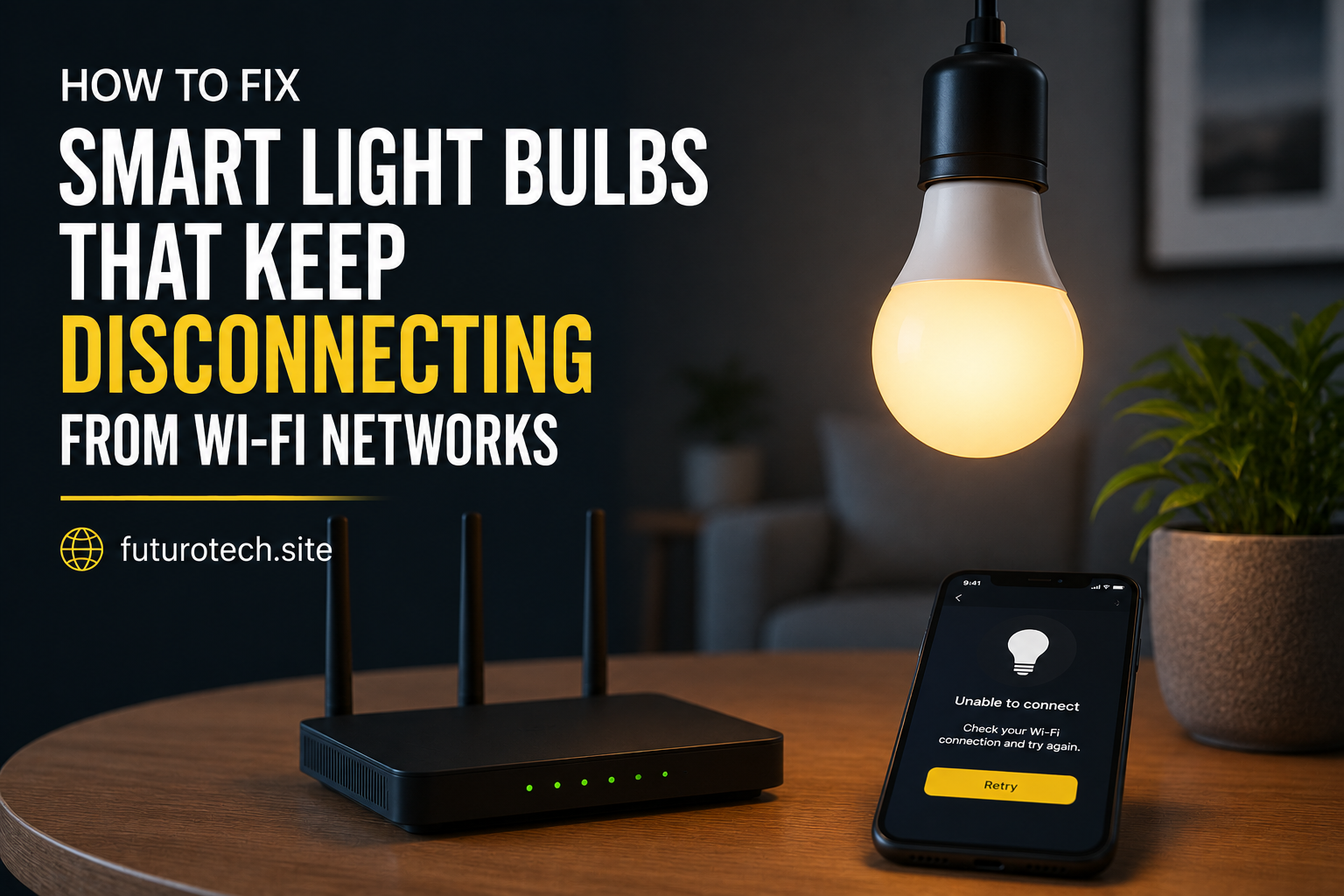
- The smart home app shows devices online.
- Your internet connection is reliable.
A quick test prevents a lot of unnecessary stress.
Make Sure Your Smart Devices Stay Connected
Smart lighting depends on a few things working together:
- Power.
- Wi-Fi.
- Smart home accounts.
- Device connections.
Before leaving:
- Restart your router if needed.
- Check smart bulbs are online.
- Update apps and firmware.
Use Remote Access Carefully
Being able to check and control lights from anywhere is convenient.
But avoid constantly changing settings while away.
The whole point is creating a stable routine.
If you keep adjusting everything every night, you are basically recreating the manual work you were trying to avoid.
Combine Lighting With Other Smart Home Habits
Lighting works even better when combined with other simple routines.
Examples:
- Smart blinds opening during the day.
- Smart plugs turning devices on or off.
- Scheduled outdoor lighting.
- Temperature adjustments.
The idea is creating normal patterns, not making your home look like a movie set.
Avoid Common Vacation Lighting Mistakes
Leaving Every Light On
This can look unusual and wastes energy.
Using Random Timing
Completely random behavior may feel less realistic than a simple routine.
Ignoring Manual Switches
If someone turns off a smart bulb at the wall switch, the automation cannot control a bulb without power.
The Best Vacation Automation Is the One Nobody Notices
Good smart lighting is subtle.
It does not need to create a complicated performance every night.
It simply keeps your home following familiar patterns while you are away.
You leave.
Your routines continue.
You come back.
Everything feels normal.
That is the real advantage of smart lighting schedules. They quietly handle the small details while you focus on enjoying your time away.